November 2026
Date:
Sign up to receive our newsletter
Dear Neighbors,
Thank you to everyone who joined our Annual Meeting on November 19. We hold this meeting every year to hear directly from you about the racial disparities we study, and there’s still time to weigh in: the recording is online, and our feedback survey is open through November 30.
November is also Indigenous Heritage Month. Below, we’ve gathered resources for learning about the Wabanaki Nations and Indigenous perspectives on the month of November and Thanksgiving.
In Solidarity,
The Permanent Commission
Annual Public Meeting
Missed our 2026 Annual Meeting? The full recording is now online.
Watch our preview of the second edition of the State of Racial Disparities report, hear how community organizations across Maine are building together, and get an update on this year’s legislative session.
We still want to hear from you. Our feedback survey is open through November 30, and every response becomes part of the record we share with the Governor and the Legislature.
Indigenous Heritage Month
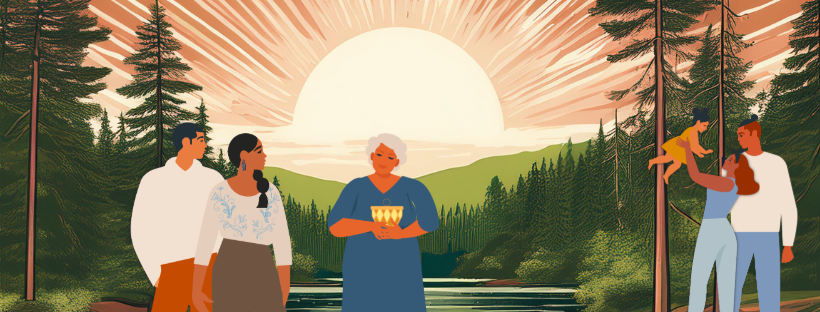
November is Indigenous Heritage Month. Here in Maine, it’s a time to honor the Wabanaki, the People of the Dawn, who have called this land home since time immemorial. The four federally recognized Wabanaki Nations in Maine, Wolastoqiyik (Houlton Band of Maliseet Indians), Mi’kmaq Nation, Peskotomuhkati (Passamaquoddy Tribe at Motahkomikuk and Sipayik), and Panawahpskek (Penobscot Nation), are sovereign nations with diverse languages, cultures, and traditions.
This year marks 25 years since Maine passed the Wabanaki Studies law. The law, sponsored by Penobscot Tribal Representative Donna Loring, requires Maine’s K-12 schools to teach Wabanaki history and culture. Learning that history, including the 1980 Settlement Acts, which the State of Maine still uses to limit Wabanaki sovereignty, makes all of us better neighbors. The resources below are a good place to start. This month and every month, we commit to supporting the Wabanaki Nations’ self-determined priorities.
Wabanaki Resources
- Maine DOE Wabanaki Studies Resources
- University of Maine Hudson Museum Teacher Resources
- Wabanaki REACH Historical Timeline of Wabanaki-Maine Relations
- One Nation Under Fraud
- Wabanaki REACH MICSA Resources
- MITSC Summary of the Maine Indian Land Claims Settlement of 1980
- Wabanaki Alliance MICSA Task Force Recommendations Explainer
- Maine Center for Economic Policy report on Wabanaki-Maine relations