Agency logo
Dawnland Documentary Movie Poster

Join us and Wabanaki REACH for a free screening of Dawnland

Date:

Tuesday, May 13 - Orono

The Permanent Commission on the Status of Racial, Indigenous, and Tribal Populations is partnering with Wabanaki REACH to offer a film screening of the movie “Dawnland” directed by Adam Mazo and Ben Pender-Cudlip. This screening will be followed by a panel discussion.

"Dawnland" is the untold story of Indigenous child removal in the US through the nation's first-ever government-endorsed truth and reconciliation commission, which investigated the devastating impact of Maine’s child welfare practices on the Wabanaki people. By educating ourselves about the reality of this history, we work to ensure atrocities such as these never happen again.

The film screening will take place at UMaine on Tuesday, May 13. Additional details coming soon!

Dawnland Screening

May 13 - Orono


Having trouble with the form? Try opening it in a new tab.

Permanent Commission Logo

We are Hiring a Community Engagement Specialist!

Date:

The Permanent Commission on the Status of Racial, Indigenous, and Tribal Populations (Permanent Commission; the agency) is looking for its next Community Engagement Specialist! As you read the job description below, please remember that applicants demonstrate job requirements in differing ways, and we appreciate that many professional skills and lived experiences can make people successful in this role. We hope to hear from you! 

Community Engagement Specialist - Public Service Coordinator I
Gardiner, Maine, United States | Communication & Public Relations | Full-time | Partially remote
Apply by: June 12, 2024
Job Class Code: CA28
Grade: 28 (Confidential)
Salary: $64,272 - $87,796
Location: Gardiner, ME - Hybrid (in-person at least 1 day per week)

Apply Online

Opening Date: May 15, 2024
Closing Date:  June 12, 2024

Who we are

The Permanent Commission is an independent state agency in Maine tasked with understanding the disparities experienced by historically disadvantaged racial, Indigenous, and tribal populations in Maine and seeks to dismantle the systemic racism that underpins and perpetuates those disparities. To learn more about the Permanent Commission, check out our website.

Work environment

The Permanent Commission embraces a culture of accessibility, support, inclusion, and empowerment, where you can experience a sense of belonging, be inspired, learn, and grow your skills. In concrete terms, this means:

  • We offer flexible scheduling and encourage work-life balance so staff can meet all their needs.
  • We actively provide opportunities for professional development.
  • We work together to set clear expectations, provide and receive honest feedback.
  • We collaborate on projects, supporting and celebrating each other’s success.
  • We know that communities that have survived and thrived in spite of systemic oppression are essential to our work. Lived experience is key. As our former Commissioner dee Clark said, “Nothing about us without us.”
  • We know that we have more room to grow, and we look forward to your creativity and enthusiasm.

Position description

The Community Engagement Specialist supports the work of the Permanent Commissions by managing activities that listen to, center, and uplift community voices. The Community Engagement Specialist will proactively develop relationships with community-based organizations, state agency partners, and other organizations/ individuals aligned with our goals to reduce disparities and increase opportunities for racial, Indigenous, and tribal populations. The Community Engagement Specialist will organize community events for the Permanent Commission and also stand in support of partner organization events.

Reporting to the Executive Director, the position collaborates with the Community Engagement Committee to steer the management of networking activities, events, and other community-facing engagements. Additionally, this position works closely with the Research Coordinator and Policy Coordinator, mutually informing each other’s work. Altogether, this role seeks to develop the Permanent Commission as a listening agency, directing community input to inform our strategic planning, research, and advisory work to all three branches of the Maine State government.

Strategic Planning

  • In consultation with the Community Engagement Committee and the Permanent Commission’s strategic plan, create and manage annual community engagement plans that advance networking goals, engage the community through events, support partner organization events/ activities, and proactively uncover new engagement opportunities for the Commission.
  • Iteratively manage annual community engagement plans to meet desired outcomes and fulfill long-term impact goals.
  • Develop community engagement policies and procedures as needed to ensure engagement strategies are targeted, equitable, and efficient, partnering with the Executive Director and Operations Director.

Management

  • Initiate, build, and maintain targeted networking relationships with community-based organizations, state agency partners, and other organizations/ individuals aligned with our goals to reduce disparities and increase opportunities for racial, Indigenous, and tribal populations.
  • Oversee development and execution of “Community Consulting” events designed to engage racial, Indigenous, and tribal communities regarding their priorities, experience, and advice.
  • Represent the Permanent Commission at public events.
  • Identify, develop, and forward empowering community engagement opportunities for the Permanent Commission.
  • Manage and report to the Community Engagement Committee, ensuring the committee can provide strong consultation supporting the development and iterative management of the Permanent Commission’s annual community engagement plans and activities.

Consultation

  • Collaborate closely with the Executive Director, Policy Coordinator, and Research Coordinator, bringing community voices and information to support the Permanent Commission’s research projects and public policy advice.
  • Consult and support the Executive Director and Operations Director regarding operational matters as they affect community engagement events and activities.
  • Support Permanent Commission’s dee Clarke Justice Fellowship by mentoring fellows regarding community engagement, as needed.

Minimum qualifications

Five (5) years of community engagement and leadership experience.

Preference will be given to applicants with:

  • Ease connecting and relating to racial, Indigenous, and tribal populations.
  • Strong listening and communication skills.
  • Ability to positively represent the Permanent Commission in the community.
  • Highly organized, initiative-taking, and able to develop and implement strategic plans.
  • Experience developing and managing people and budgets.
  • Ability to multitask and meet deadlines in a fluid environment.
  • Flexibility in both work schedule and project implementation.
  • Collaborative work style.

This position requires the ability to attend events and activities statewide, including evenings and weekends. A valid driver’s license and comfort with driving are required, as is the ability to attend events during evenings and weekends.

Contact information

Questions about this position should be directed to Ariel Ricci, Executive Director at ariel.ricci@maine.gov.

Application Instructions

Interested applicants need to apply online by selecting the "Apply for this opening" button along with uploading a cover letter, current resume, and copies of any transcripts or certifications you wish to have considered while evaluating your application.  In order for us to properly determine if you meet the minimum qualifications for any posting, you must be sure your resume includes month and year for any experience listed along with the duties and responsibilities associated with each particular time period.  Any experience that was not full-time employment should be identified as such.

If you require a paper application, please download and print one here or contact our office at 207-623-6700.  Paper applications for this posting should be submitted along with cover letter and resume before the closing date to Security & Employment Service Center, 45 Commerce Drive, Augusta, ME 04330 or faxed to 207-287-2018. Be sure title of the job you are applying for is included. Applications cannot be accepted after the posting closing date.

Benefits of working for the State of Maine

No matter where you work across Maine state government, you find employees who embody our state motto—"Dirigo" or "I lead"—as they provide essential services to Mainers every day. We believe in supporting our workforce's health and wellbeing with a valuable total compensation package, including:

  • Work-Life Fit – Rest is essential. Take time for yourself using 13 paid holidays, 12 days of sick leave, and 3+ weeks of vacation leave annually. Vacation leave accrual increases with years of service, and overtime-exempt employees receive personal leave.
  • Health Insurance Coverage – The State of Maine pays 85%-100% of employee-only premiums ($10,523.28-$12,380.40 annual value), depending on salary. Use this chart to find the premium costs for you and your family, including the percentage of dependent coverage paid by the State. 
  • Dental Insurance – The State of Maine pays 100% of employee-only dental premiums ($350.40 annual value).
  • Retirement Plan – The State contributes the equivalent of 13.41% of the employee's pay towards the Maine Public Employees Retirement System (MainePERS) for MSEA, or 18.21% for Confidential employees. 

State employees are eligible for an extensive and highly competitive benefits package, covering many aspects of wellness. Learn about additional wellness benefits for State employees from the Office of Employee Health and Wellness.

Note: Benefits may vary somewhat according to specific collective bargaining agreements and are prorated for part-time employment.

There's a job and then there's purposeful, transformative work. Our aim is to create a workplace where you can learn, grow, and continuously refine your skills. Applicants demonstrate job requirements in differing ways, and we appreciate that many skills and backgrounds can make people successful in this role. 

As an Equal Opportunity employer, Maine State Government embraces a culture of respect and awareness. We are committed to creating a strong sense of belonging for all team members, and our process ensures an inclusive environment to applicants of all backgrounds including diverse race, color, sex, sexual orientation or gender identity, physical or mental disability, religion, age, ancestry, national origin, familial status or genetics. 

If you’re looking for a great next step, and want to feel good about what you do, we’d love to hear from you. Please note reasonable accommodations are provided to qualified individuals with disabilities upon request.

Thinking about applying?

Research shows that people from historically excluded communities tend to apply to jobs only when they check every box in the posting. If you’re currently reading this and hesitating to apply for that reason, we encourage you to go for it! Let us know how your lived experience and passion set you apart.

Apply by: June 12, 2024

Building Connections

Permanent Commission Announces Social Capital Grants to Strengthen Maine Communities

Date:

The Permanent Commission on the Status of Racial, Indigenous, and Tribal Populations is thrilled to announce the recipients of the Social Capital Grant! This initiative supports Community Based Organizations (CBOs) in developing innovative programs that address social determinants of health (SDOH) and foster stronger community connections, particularly in historically marginalized communities disproportionately impacted by the COVID-19 pandemic.

The overwhelming response to this opportunity, with 48 applicants, underscores the pressing need for such initiatives in Maine. After careful review, nine CBOs have been selected to receive funding. Their projects span a wide range of focus areas, including food insecurity, healthcare access, and support for system-impacted individuals.

  • Maine Council on Aging: Building community connections amongst Black elders through creative activities in a photovoice project.
  • Cultivating Community: Addresses food insecurity, prioritizing New American communities in Portland and Lewiston, through creative programs and activities that center community building.
  • YMCA Southern Maine: Builds on a successful pilot to expand access of culturally appropriate swimming classes for Black women in Cumberland and York Counties.
  • Quality Housing Coalition: Builds on a successful pilot to build community through shared meals for mother-led low-income households in York County.
  • Maine Inside Out: Continues and scales programming that provides support for system impacted people to navigate reentry after incarceration through art and theater programming.
  • Greater Portland Immigrant Welcome Center: Builds community and  English language skills through creation of a choir for immigrant and refugee populations in Southern Maine.
  • Khmer Maine: Builds connections and community across Asian American and Pacific Islander communities in Maine.
  • Mano en Mano: Supports wellness activities for farmworkers and immigrants in Washington County.
  • Healthy Acadia: Includes creative community building activities through promotion of Passamaquoddy culture.

While we celebrate these grantees, we recognize that many communities face ongoing challenges in areas beyond social capital. The applications we received from CBOs doing excellent work across Maine highlighted critical needs in several areas outside the scope of this grant. We are committed to collaborating with these CBOs and the communities they serve to address these needs and advance racial equity and justice in Maine.

Healthcare access: 

  • Focus on patient navigators and community health workers, case management services and mental health supports.

  • The need to address disparities in oral health services and outcomes, and provide culturally appropriate and trauma-informed mental health and substance use disorder services.

Economic stability: 

  • Career support and mentoring for youth, formerly incarcerated individuals, people in recovery, those who have experienced homelessness, and multilingual learners.

Educational attainment: 

  • Early math and language supports for families, culturally appropriate pre-K and special education. 

  • Focus on identifying and removing barriers to school attendance, with increased support and services for adult education, students, and teachers. 

  • Ensure curriculum reflects the diversity of cultures in Maine.

Food insecurity:

  • Access to fresh, healthy, local food, with food insecurity particularly impacting youth, elders, and those living in affordable housing.

Transportation: 

  • More reliable and accessible transportation options in both urban and rural areas.

Language access and language education: 

  • Expanded opportunities for individuals with limited English proficiency to learn and practice English in a range of contexts, as well as access to services and support in their native language.

Intersectionality:

  •  Recognizing and addressing the unique challenges faced by people with multiple marginalized identities, such as LGBTQIA+ individuals, people with disabilities, and those at risk of social isolation, particularly within communities of color.

Accessibility of services:

  • Addressing the complex web of state and non-state systems that prevent the most overburdened and marginalized people from accessing essential services.

We believe that by investing in social capital, we can build a stronger, more resilient Maine where everyone has the opportunity to thrive. We look forward to the positive impact these projects will have on communities across the state and to continuing to collaborate with CBOs across Maine doing excellent work to address the needs of communities across the state.

Social Capital Grant Opportunity

Original post: Monday, April 22, 2024 - 08:05

The application period for this grant has ended. We are grateful for the high level of interest and thank all the applicants who submitted proposals! We are excited to learn about the plans to strengthen communities in Maine. We expect to announce awards in July. Sign up to receive our updates!


The Permanent Commission on the Status of Racial, Indigenous, and Tribal Populations is excited to announce a new grant opportunity! The Social Capital Grant was designed to develop and implement programs to address social determinants of health (SDOH) while building stronger community connections. 

This grant initiative seeks to tackle racial disparities exacerbated by the COVID-19 pandemic. Recognizing the crucial role of social capital in public health outcomes, the Permanent Commission is dedicated to supporting Community Based Organizations (CBOs) in creating innovative approaches that build community connections. 

By addressing factors such as economic stability, educational access, healthcare quality, neighborhood environment, and social context, grant recipients will not only mitigate SDOH disparities but also bolster social networks and support systems within their communities. 

We encourage applicants to embrace creativity and inclusivity, ensuring that all individuals, especially those facing additional barriers, are actively engaged in the development and implementation of their initiatives. Together, we will deepen relationships, invest in communities, support innovation, and ultimately increase social capital in historically marginalized communities across Maine. 

Submission Deadline

June 3rd, 2024

Eligibility

  • Applicants must be Community Based Organizations (CBO). 

  • The proposed project must be designed to benefit communities located within Maine.

Grant Amount

$25,000 - $75,000

Informational Webinar

Watch the recording:


The application period for this grant has ended. We are grateful for the high level of interest and thank all the applicants who submitted proposals! We are excited to learn about the plans to strengthen communities in Maine. We expect to announce awards in July. Sign up to receive our updates!

Permanent Commission Logo

We are Hiring an Operations Director!

Date:

The Permanent Commission on the Status of Racial, Indigenous, and Tribal Populations (Permanent Commission; the agency) is looking for its next Operations Director! As you read the job description below, please remember that applicants demonstrate job requirements in differing ways and we appreciate that many professional skills and lived experiences can make people successful in this role. We hope to hear from you!

Apply online!

Job Class Code:CA26
Grade: 26 (Confidential)
Salary: $60,320 - $81,993
Location: Gardiner, ME

Opening Date: April 10, 2024

Closing Date: May 8, 2024

Applicants must submit a resume and cover letter. Applications without a cover letter will not be considered. We encourage you to respond to the following questions:

  • Why are you interested in working for the Permanent Commission?
  • Why do you think you are a good fit for this role at the Permanent Commission?
  • What relevant professional or lived experience can you bring to this role?

Who We Are:

The Permanent Commission is an independent state agency in Maine tasked with understanding the disparities experienced by historically disadvantaged racial, Indigenous, and tribal populations in Maine and which seeks to dismantle the systemic racism that underpins and perpetuates those disparities. To learn more about the Permanent Commission, check out our website

Position Description:

The Operations Director will steward the Permanent Commission’s +$1million annual budget by managing contracts, grants, and other procurements. The Operations Director will work closely with the Executive Director regarding budget steering and organizational management. The Operations Director also reports to and collaborates with the Finance and Operations committee to create effective and sustainable organizational systems that allow the Commission to achieve its statutory duties and long term vision.

Work Environment:

The Permanent Commission embraces a culture of accessibility, support, inclusion, and empowerment, where you can experience a sense of belonging, be inspired, learn, and grow your skills. In concrete terms, this means:

  • We offer flexible scheduling and encourage work-life balance so staff can meet all their needs.
  • We actively provide opportunities for personal and professional development.
  • We work together to set clear expectations, provide and receive honest feedback.
  • We regularly collaborate on projects, supporting and celebrating each other’s success.
  • We know that communities who have survived and thrived in spite of systemic oppression are essential to our work. Lived experience is key. As our former Commissioner dee Clark said, “Nothing about us without us.”
  • We know that we have more room to grow, and look forward to your creativity and enthusiasm.

Primary responsibilities include:

Financial Management - Direct and oversee financial management of the Permanent Commission’s +$1 million annual budget. Activities include:

  • Develop, recommend, and monitor an annual fiscal plan in accordance with an established strategic plan, specific program goals, and state funding guidelines.
  • Develop and oversee the Permanent Commission's capacity to raise funds from the federal government, individuals, foundations, or corporations.
  • Develop and implement financial policies and procedures that forward agency goals and comply with State policies.
  • Coordinate, execute, and approve all agency purchasing and payments and review of all incoming invoices and outgoing expenses.

Contract Management - Direct and oversee the design, selection, and execution of all Permanent Commission contracts and grants.

Organizational Development - Collaborate with the Executive Director to continue development of the Permanent Commission’s organizational systems. Activities include:

  • Support human resources activities.
  • Oversee Permanent Commission technology systems.
  • Create policies and procedures that streamline the Permanent Commission’s work.

Office Management - Ensure smooth office management for in-person and remote work. Coordinate all contracts and agreements related to management of office space.

Other Responsibilities - Other responsibilities include:

  • Serve as the Clerk for the Permanent Commission, managing public proceedings and reporting to the Secretary of State as needed.
  • Serve as the Records Officer for the Permanent Commission, coordinating with and reporting to the State Archives as needed.

Minimum qualifications:

5 years of experience in operations, finance, business management, contract management, or state government administration.

Preference will be given to applicants with:

  • Knowledge of budgets. Candidates with familiarity in state budgeting systems and processes, particularly experience of Advantage, are preferred (however, we will train).
  • Experience with contract and grant management.
  • Detail oriented and organizationally minded.
  • Able to learn and navigate new IT systems.
  • Creative and independent, making sound decisions with minimal supervision.
  • Able to communicate clearly.
  • Broad understanding of issues impacting marginalized communities.
  • Exhibit the Permanent Commission’s cultural values of teamwork, responsibility, accountability, excellence, openness, and balance.

Contact information:

Questions about this position should be directed to Ariel Ricci, Executive Director at ariel.ricci@maine.gov

Application Instructions:

Interested applicants need to apply online on the Bureau of Human Resources' posting. In order for us to properly determine if you meet the minimum qualifications for any posting, you must be sure your resume includes month and year for any experience listed along with the duties and responsibilities associated with each particular time period. Any experience that was not full-time employment should be identified as such.
If you require a paper application, please download and print one here: https://www.maine.gov/bhr/state-jobs/application-process or contact our office at 207-623-6700. Paper applications for this posting should be submitted along with cover letter and resume before the closing date to Security & Employment Service Center, 45 Commerce Drive, Augusta, ME 04330 or faxed to 207-287-2018. Be sure title of the job you are applying for is included. Applications cannot be accepted after the posting closing date.

Benefits of working for the State of Maine:

No matter where you work across Maine state government, you find employees who embody our state motto—"Dirigo" or "I lead"—as they provide essential services to Mainers every day. We believe in supporting our workforce's health and wellbeing with a valuable total compensation package, including:

  • Work-Life Fit – Rest is essential. Take time for yourself using 13 paid holidays, 12 days of sick leave, and 3+ weeks of vacation leave annually. Vacation leave accrual increases with years of service, and overtime-exempt employees receive personal leave.
  • Health Insurance Coverage – The State of Maine pays 85%-100% of employee-only premiums ($10,523.28-$12,380.40 annual value), depending on salary. Use this chart to find the premium costs for you and your family, including the percentage of dependent coverage paid by the State.
  • Dental Insurance – The State of Maine pays 100% of employee-only dental premiums ($350.40 annual value).
  • Retirement Plan – The State contributes the equivalent of 13.41% of the employee's pay towards the Maine Public Employees Retirement System (MainePERS) for MSEA, or 18.21% for Confidential employees.


State employees are eligible for an extensive and highly competitive benefits package, covering many aspects of wellness. Learn about additional wellness benefits for State employees from the Office of Employee Health and Wellness.
Note: Benefits may vary somewhat according to specific collective bargaining agreements and are prorated for part-time employment.
 

There's a job and then there's purposeful, transformative work. Our aim is to create a workplace where you can learn, grow, and continuously refine your skills. Applicants demonstrate job requirements in differing ways, and we appreciate that many skills and backgrounds can make people successful in this role.


As an Equal Opportunity employer, Maine State Government embraces a culture of respect and awareness. We are committed to creating a strong sense of belonging for all team members, and our process ensures an inclusive environment to applicants of all backgrounds including diverse race, color, sex, sexual orientation or gender identity, physical or mental disability, religion, age, ancestry, national origin, familial status or genetics.


If you’re looking for a great next step, and want to feel good about what you do, we’d love to hear from you. Please note reasonable accommodations are provided to qualified individuals with disabilities upon request.


Thinking about applying?

Research shows that people from historically excluded communities tend to apply to jobs only when they check every box in the posting. If you’re hesitating to apply, please remember that applicants demonstrate job requirements in differing ways. We appreciate that many professional skills and lived experiences can make people successful in this role. Moreover, we provide individualized professional development and are committed to helping all our staff grow. Let us know how your lived experience and passion set you apart. You may be just the right candidate for this or other roles.

Apply by: May 8, 2024


Juneteenth in Maine

Juneteenth Mini-Awards

Date:

We are launching our next round of mini-awards! This round of awards will provide up to $4,000 to eligible organizations to develop and execute 2024 Juneteenth celebration activities and events in Maine. We're sharing some application guidance and links below.

What is the Juneteenth Mini-Award? 

The Permanent Commission on the Status of Racial, Indigenous, and Tribal Populations (Permanent Commission) has a statutory goal to promote, implement, and coordinate programs that create and improve opportunities for historically disadvantaged racial, Indigenous, and tribal populations in the state.

To advance this goal, we are launching a mini-award program providing up to $4,000 to eligible organizations to develop and execute Juneteenth celebration activities and events in Maine. 

If you work at an eligible organization and have an idea for a Juneteenth celebration activity or event, please submit a brief proposal to us HERE for our consideration!

Who is eligible to apply?

In order to qualify, organizations must meet one of the following criteria: 

  • Be a 501(c)(3) nonprofit organization located in Maine,
  • Be a town or county government in Maine, 
  • Be a Wabanaki Tribal government, or
  • Be a school system in Maine. 

Organizations with multiple affiliated locations across the state should submit a single application. The Permanent Commission is not able to contract with individuals. Individuals wishing to apply must have an eligible fiscal sponsor that is able to enter into a contract with  the State of Maine. If you have any questions regarding your eligibility, please reach out to the Permanent Commission at the contact below.

How much funding is available? 

The Permanent Commission is offering one-time awards of up to $4,000 per organization. Applicants are encouraged to apply for the full $4,000 with a supporting budget. The Permanent Commission has the discretion to award fewer awards than planned, based on the quality and completeness of the applications. 

Selected partners will enter into a Low Cost Service Contract (LCSC) to begin project implementation. The Permanent Commission hopes to execute contracts by May 20th, 2024.  

Please note: Payment can not be made in advance. Contracts will provide for partners to submit two invoices over the course of the contract for work that has been completed and expenses incurred. 

What types of expenses are allowable/ unallowable? 

Examples of allowable expenses include (list is not exhaustive): 

  • Physical space rental, 
  • Light refreshments, non-alcoholic beverages, and other accommodation costs associated with the proposed project,
  • Staff time and material costs for any activities directly related to the project, including promotional materials, community outreach, educational activities, and data collection, 
  • Staff time associated with delivering a final report to the Permanent Commission describing the project activities, fund uses, and any other agreed upon reporting content, and
  • Up to 10% maximum of indirect costs.

Examples of unallowable expenses include (list is not exhaustive):

  • Lobbying, 
  • Goods and services for personal use,
  • Goods, services, or staff time for work outside of the approved project, or 
  • Fines, penalties, damages and other settlements.

Project budgets must be submitted as part of the application process and any budget amendments must be agreed on in advance with the Permanent Commission.

How will applications be scored? 

The Permanent Commission will score applications using the available scores listed within the application form. 

What does a strong application look like? 

Please see the link below for an example of a completed application, which you may use as a reference when completing your own unique application. 

Mini-Award Application Example 

This application example is designed to provide information on the level of detail the Permanent Commission encourages from applicants. Please do not consider this example as a template to be copied or an indication of preference for certain types of project proposals. We encourage you to share project ideas that best suit the needs of your organization and community. 

If selected, what requirements are there?

Selected partners will be required to:

  1. Vendor Customer Number - Have or obtain a State of Maine vendor customer number. Permanent Commission staff will provide necessary support to obtain this.
  2. Enter into Contract - Enter into a low-cost service contract with the Permanent Commission.
  3. Submit Two Invoices - Submit two invoices for work undertaken in accordance with the approved budget and work plan. 
  4. Report Back - Submit a written final report by late July, 2024 that describes the project activities, how the funds were used, and includes any other reporting content agreed with the Permanent Commission based on the specific project (note: we will provide a template reporting form, which will also include the opportunity to provide feedback to us).
  5. Include Commission Logo - Include the Permanent Commission’s logo on any promotional materials as a project sponsor and make space for Permanent Commission tabling at an event (if relevant and appropriate for the type of event).


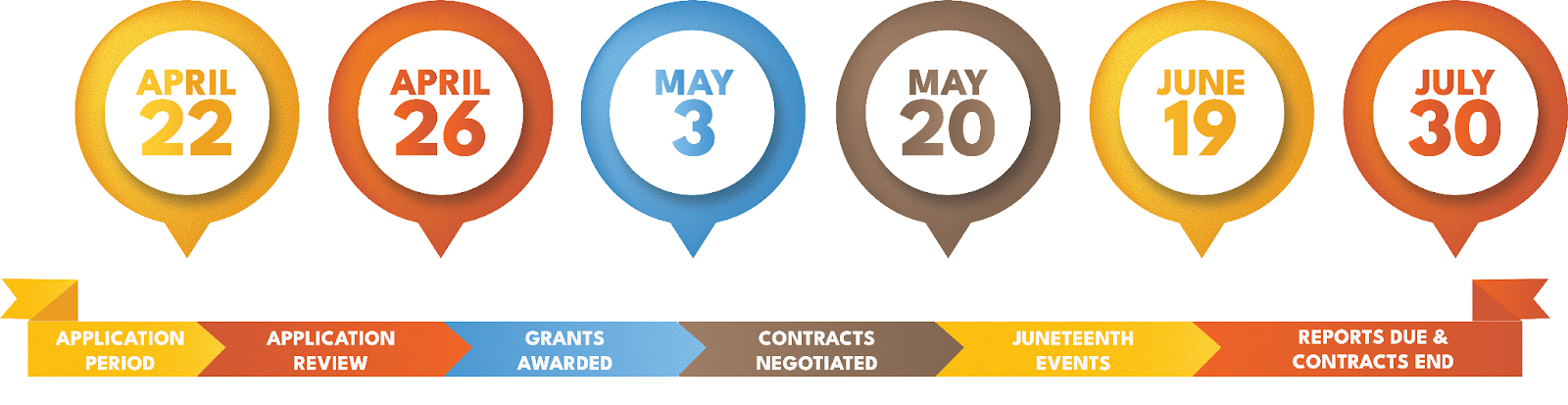
What is the Mini-Award Timeline? 


Mini-Award Application Period 

April 1st - April 22nd

Mini Award Application Review 

April 22nd  - April 26th

Send Decision Notifications and Schedule Introductory Meetings

April 29th  - May 3rd

Contract Negotiation and Approval

May 6th - May 20th

Contracts Begin 

May 13th - May 20th

Juneteenth Day 

(Note: events and activities may take place before or after this day)

June 19th

Reports Due and Contract Close

July 15th - July 30th


What is the application deadline? 

The Permanent Commission is accepting applications through 11:59 pm on April 22nd, 2024. 

Who can I reach out to with more questions? 

Should you have further questions regarding this opportunity, please reach out to Hunter Cropsey, Acting Operations Director, at hunter.cropsey@maine.gov

Permanent Commission Logo

We Are Hiring a Temporary Office Specialist!

Date:

The Permanent Commission on the Status of Racial, Indigenous, and Tribal Populations (Permanent Commission; the agency) is looking for a temporary Office Specialist to provide essential administrative support! As you read the job description below, please remember that applicants demonstrate job requirements in differing ways and we appreciate that many professional skills and lived experiences can make people successful in this role. We hope to hear from you!


Position Title: Office Specialist
Location: Hybrid; Gardiner, ME (in-person 1 day per week)
Hours: Up to 40 hours per week, flexible scheduling (open to candidates seeking part or full time work)
Pay: $20 to $25/hour based on experience
Timeframe: Temporary Position. Initial period through December, 2024 with the potential to renew for additional 6 month periods.
Anticipated start date: May 1st, 2024

Who We Are:

The Permanent Commission is an independent state agency in Maine tasked with understanding the disparities experienced by historically disadvantaged racial, Indigenous, and tribal populations in Maine and which seeks to dismantle the systemic racism that underpins and perpetuates those disparities. To learn more about the Permanent Commission, check out our website.

Work Environment:

The Permanent Commission embraces a culture of accessibility, support, inclusion, and empowerment, where you can experience a sense of belonging, be inspired, learn, and grow your skills. In concrete terms, this means that:

  • We offer flexible scheduling and encourage work-life balance so staff can meet all their needs;
  • We actively provide opportunities for personal and professional development;
  • We work together to set clear expectations, provide and receive honest feedback;
  • We regularly collaborate on projects, supporting and celebrating each other’s success;
  • We know that communities who have survived and thrived in spite of systemic oppression are essential to our work. Lived experience is key. As our former Commissioner dee Clark said, “Nothing about us without us.”
  • We know that we have more room to grow, and look forward to your creativity and enthusiasm.
  • Equal opportunity and diverse staffing are fundamental principles at the Permanent Commission. We encourage applicants of all backgrounds including diverse race, color, sex, sexual orientation or gender identity, physical or mental disability, religion, age, ancestry, national origin, familial status or genetics.

Primary Responsibilities Include:

  • Provide administrative support for the Executive Director, including scheduling meetings and filing,
  • Supporting the Permanent Commission Clerk with administrative duties, such as scheduling meetings, sending out papers, and taking minutes,
  • Assist with ordering, stocking, and maintaining supplies to support our new office space,
  • Maintain an electronic filing system and associated spreadsheets,
  • Provide administrative support for competitive bid processes,
  • Support Human Resources functions, such as scheduling interviews,
  • Prepare invoices, commissioner per diem payments, and other expenses,
  • Support event planning and execution.

Attributes of a Well-Fit Candidate:

  • Committed to the values and mission of the Permanent Commission of dismantling structural racism in the State of the Maine;
  • Detailed oriented, a self-starter, and comfortable with ambiguity;
  • Experienced with Microsoft Outlook, Word, and Excel; Google Docs, Sheets, and Forms; scheduling meetings with Zoom and/or Teams
  • Highly collaborative and able to bring their own professional and lived experience to our diverse team.

Thinking about Applying?

Research shows that people from historically excluded communities tend to apply to jobs only when they check every box in the posting. If you’re currently reading this and hesitating to apply, please remember that applicants demonstrate job requirements in differing ways and we appreciate that many skills and backgrounds can make people successful in this role. Moreover, we provide individualized professional development and are committed to helping all our staff grow. Let us know how your lived experience and passion set you apart. You may be just the right candidate for this or other roles.

Applicants must submit a resume and cover letter. The cover letter should explain: (1) why you think you are a good fit for this role at the Permanent Commission, (2) relevant professional or lived experience, and (3) the number of hours desired and any limits to your availability. Applications without a cover letter will not be considered.

Please submit materials to recruiter@tristatestaffing.com with “Permanent Commission - Office Specialist” in the subject line. Questions regarding this position may be directed to Hunter Cropsey, Operations Director at hunter.cropsey@maine.gov.

Understanding Black history is a step toward healing intergenerational trauma

Celebrating the Diversity and Contributions of Black Communities

Date:

The Maine  Black Community is made up of non immigrant Black Mainers and immigrant Black Mainers or New Americans. We use the term “African Americans” to mean those whose ancestry traces back to slavery, either from Maine or other parts of North and South America and the Caribbean. They have been present and have helped to build Maine since colonial times.

  • 22,425 Black Mainers born in US (2022 ACS)
  • 13,224 Black Mainers born outside the US (2022 ACS)

Immigrant Black Mainers are made up of people who have come here to build a better life for themselves and their families. Some have come here for economic reasons as health care and professional workers, or seasonal farmworkers, helping to fill critical jobs and keep Maine running.

Other people are here seeking refuge or asylum — facing challenging decisions as they rebuild their lives, having left everything behind to find safety and freedom in a new place.

Refugees, admitted through a federal program following a rigorous screening process, arrive in Maine and are immediately eligible to work. They contribute to the state through employment and tax payments. Asylum seekers, who have arrived independently in pursuit of safety, face a different journey. They can only apply for work authorization after months of waiting for their asylum to be approved. Once they are able to work, they pay taxes to Maine, but some may not qualify for Mainecare or food stamps. 

Regardless of their origin, everyone has the fundamental right to safety. Unfortunately, some government policies make it harder for these New Mainers to start their lives here. Communities across the state are coming together to show compassion and support for those navigating the complexities of starting new lives in Maine. By embracing the diversity, strength, and contributions of all people, we can build a future where we all grow and thrive together.

Some Significant Contributions Of Black Mainers

African Americans have lived in Maine, from before the state was founded. They helped build settlements and lay the foundations for the future of the state in various social, economic and cultural ways.

Mariners who came to Maine from the West Indies, Africa, and the Caribbean played a key role in the establishment of Maine in the fishing, shipbuilding, and transportation realms. 

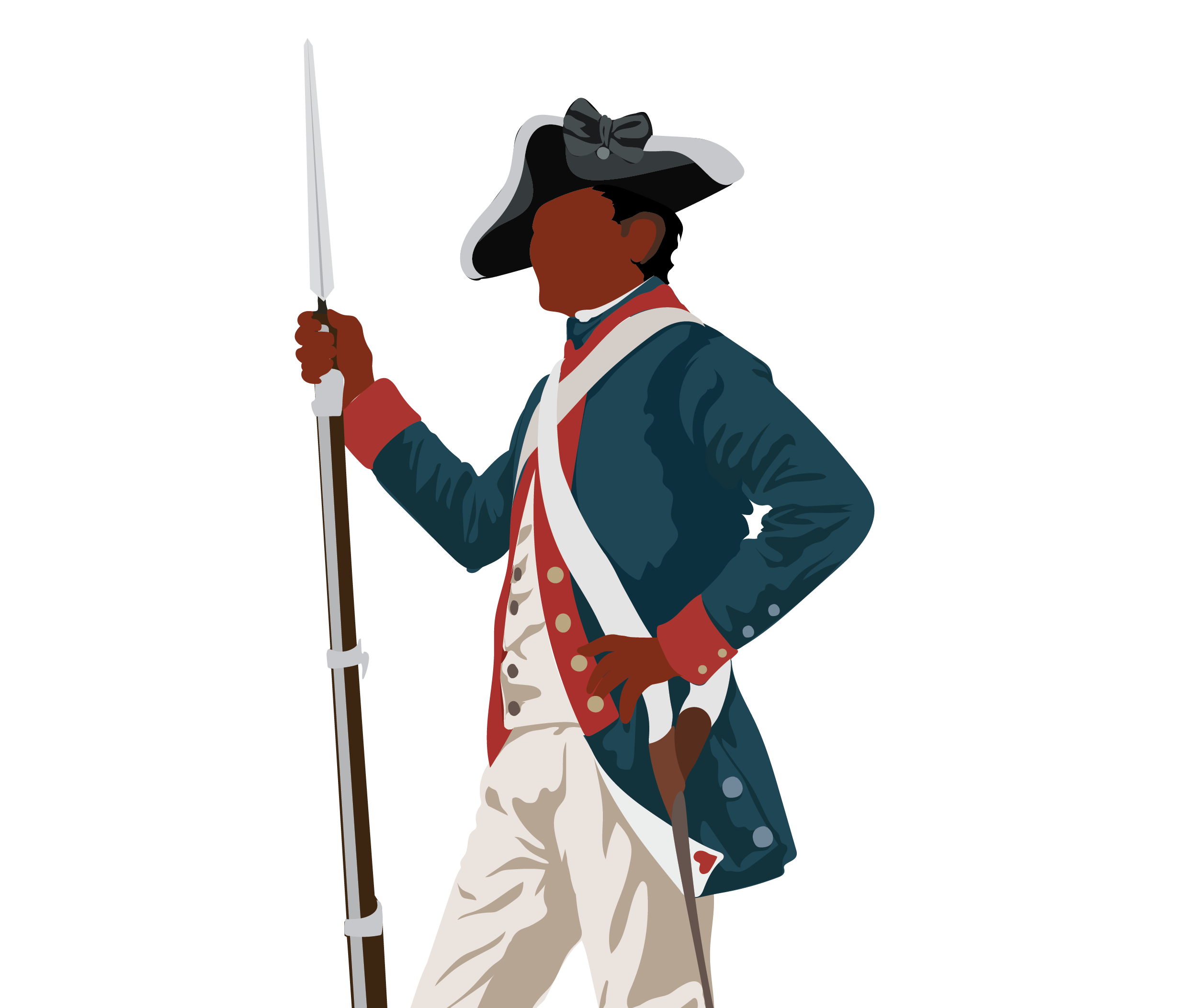
Black soldiers fought side-by-side with Passamaquoddy and white American soldiers in the first naval battle of the Revolutionary War. 

In the late 19th century, Portland and Bangor had the largest community of African Americans in Maine.  The Portland community formed the Abyssinian Congregational Church in 1827. The Abyssinian Meeting House is Maine’s oldest African-American church, and the third oldest in the nation. By the early 20th century, African Americans in Bangor established a chapter of the Grand United Order of Odd Fellows (GUOOF) and its ladies’ auxiliary, the Household of Ruth, a branch of the National Association for the Advancement of Colored People (NAACP), a Mothers' Club, a Junior Mothers' Club, a lodge of Black Masons, and a Black United Service Organization (USO). 

In the later part of the 20th century, the political significance of the Black community in Maine grew, marking notable milestones in civil rights advancements. This included the enactment of Maine's Fair Housing Act before the adoption of the federal bill by Congress, demonstrating influence on national laws and policies.

Some Notable Figures In Maine's Black History

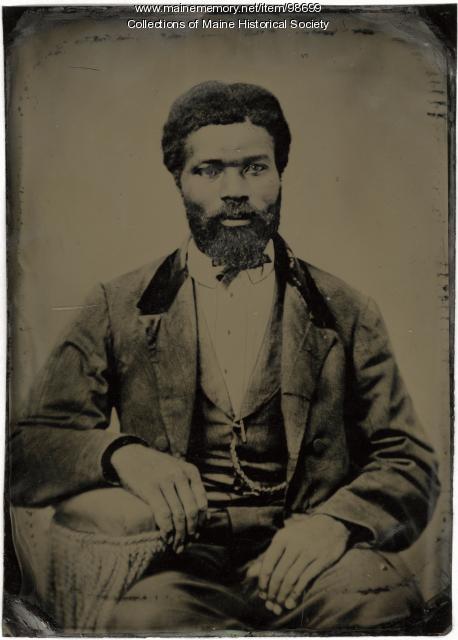
Black Revolutionary War Soldier London Atus (c. 1759 - 1843) Born into slavery in New Jersey, London came to Machias while still enslaved in 1771. He later joined the Continental Army, serving under several officers and fighting in the first naval battle of the Revolutionary War. With his service, he ultimately bought his freedom. After the war, London transitioned to the lumber industry, shipping to ports such as Portland and Boston. He married Eunice Foss, a white woman – an early example of interracial marriages in Maine – and settled in Machias with their children and several other Black and biracial families. 
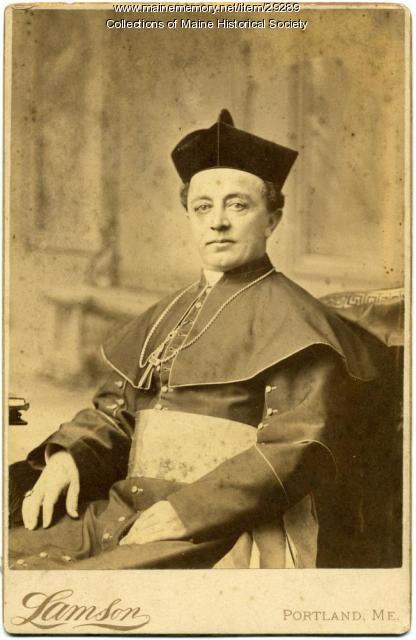
James Healy James A. Healy (1830 - 1900) of the Catholic Diocese of Portland was the first African American Roman Catholic Bishop in the nation. He traveled 3,000 miles on horseback and by canoe to confirm 4,000 Maine children.
John Nichols John Nichols (1851 - 1930) worked for the Union Army, and arrived at Lewiston after the Civil War with a group of veterans who were formerly enslaved.
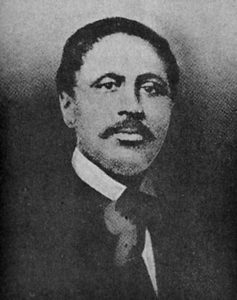
Macon B. Allen (1816 - 1894) was the first Black attorney in the U.S. following his admission to the Cumberland County Bar in 1844. In 1845 Allen moved to Boston, where he passed the Massachusetts Bar Exam on May 5, 1845.  Shortly afterwards he and Robert Morris, Jr., opened the first Black law office in the United States.  In 1848 he became the Justice of the Peace for Middlesex County, Massachusetts. In addition to his license to practice law he is believed to be the first Black man to hold a judiciary position.
Young Black Woman Beverly Dodge Bowens (c.1935 - 2006)  Born in Portland, Beverly Dodge spent her formative years on Munjoy Hill, in a neighborhood that she loved. A graduate of Portland High School, as a high school senior, Beverly garnered attention when Senator Margaret Chase Smith and Governor Frederick Payne stepped in on her behalf, compelling a hotel in Washington, D.C. to overturn its initial refusal to accommodate Dodge on her senior class trip because she was Black.
Gerald Talbot Gerald E. Talbot (1931 - ) A two-time president of the NAACP in Portland, Gerald Talbot was the first Black person elected to the Maine Legislature and the first Black speaker pro tem in its House of Representatives. Among his legislative accomplishments, Talbot changed maps and Maine’s social conscience in 1977 by winning passage of a law to remove the n-word from geographic places statewide. 


Understanding Black history is a step toward healing intergenerational trauma

Acknowledging Our Past: The Importance of Inclusive Land and Labor Acknowledgments

Date:

As we celebrate Black History Month, it is crucial to reflect not only on the achievements and resilience of the Black community but also on the historical injustices that have shaped the United States and Maine. In recent years, there has been a growing awareness of the need for land acknowledgments, recognizing the Indigenous peoples on whose land we stand. It is equally important to extend these acknowledgments to encompass the labor that built this nation, often extracted from enslaved African people. On the first day of Black History Month, 2024, we are exploring the significance of including labor acknowledgments alongside land acknowledgments and sharing some best practices to ensure a respectful and inclusive approach.

Understanding Our History

The United States has a complex history, built on land taken from Indigenous people, using the forced labor of people taken from their homelands in Africa.  Recognizing this history is not about dwelling on guilt but acknowledging the systemic injustices that have shaped our nation. By understanding the interconnectedness of land and labor exploitation, we take the first step towards creating a more inclusive and equitable society.

The Role of Acknowledgments

Land acknowledgments have become a common practice at events, acknowledging the traditional territories of Indigenous peoples. It is equally important to extend this acknowledgment to the labor that played a pivotal role in building this nation. Enslaved Africans provided much of the labor that fueled the economic prosperity of the early United States. By recognizing both land and labor, we honor a more complete scope of historical contributions and acknowledge the ongoing impacts of systemic oppression.

Best Practices

  • Selecting Acknowledgment Readers: It is essential to choose acknowledgment readers thoughtfully. The acknowledgment should not be read by an African American whose ancestry is rooted in slavery, as it is not their responsibility to remind us of the trauma and injustices their ancestors endured, a legacy of harm that they continue to endure today. While a Black immigrant may read the acknowledgment, it is important to recognize the distinction between African immigrants and Black people whose ancestors' stolen labor built much of the wealth of this nation.


  • Include Location-specific Information: It is important to be intentional about incorporating any specific history of the place where the event is being held. This practice increases awareness of the relevance of the acknowledgement, especially in places that are not often seen as having benefited from slavery.


  • Follow Acknowledgments with Action Plans: Mere words without actions can resurface trauma. After acknowledging historical injustices, it is crucial to outline positive action plans. Encourage education, dialogue, and community involvement to address systemic issues and build a more equitable society.


  • Community Education: Foster a culture of learning and understanding by providing resources and educational opportunities. Encourage individuals to educate themselves about the history of where they call home, promoting a deeper appreciation for the diverse contributions that have shaped our communities.


  • Promote Allyship: Encourage individuals to be allies in the fight against systemic racism. This involves actively listening to marginalized voices, amplifying their stories, supporting honest history being taught in our classrooms, and working together to create positive change.


In recognizing both land and labor acknowledgments, we honor a more complete spectrum of the contributions that have shaped our nation. Black History Month is not just a time to celebrate achievements but also an opportunity to reflect on historic injustices that persist today. By incorporating inclusive acknowledgments into our events and following them with meaningful action plans, we take a step towards healing intergenerational trauma and building a better, more equitable place for everyone. You can find the Permanent Commission’s Land and Labor Acknowledgement here.

Permanent Commission Logo

Youth Empowerment Mini-Awards

Date:

What is the Youth Empowerment Mini-Award? 

The Permanent Commission on the Status of Racial, Indigenous, and Tribal Populations (Permanent Commission) has a statutory goal to promote, implement, and coordinate programs that create and improve opportunities for historically disadvantaged racial, Indigenous, and tribal populations in the state.

To advance this goal, we are launching a mini-award program supporting nonprofit organizations through one-time funding to implement projects designed to support youth ages 25 and under. This opportunity is geared towards nonprofits who have not worked with the Permanent Commission in calendar year 2023. 

Benefits of this program include both receiving up to $4,500 per organization to implement your project and being part of a small cohort of participating organizations, which will help to build new connections across Maine.

If you work at a nonprofit and have an idea for a project that can create and improve opportunities for youth aged 25 and under, please submit a brief proposal to us HERE for our consideration! 

How much funding is available? 

The Permanent Commission is offering one-time awards of up to $4,500 (per organization) to up to five qualified organizations. The Permanent Commission has the discretion to award fewer awards than planned, based on the quality and completeness of the applications.


When will successful applicants receive the funds?

Selected partners will enter into a Low Cost Service Contract (LCSC) to begin project implementation. The Permanent Commission hopes to execute contracts in early March, 2024. Contracts will provide for partners to submit two invoices during the course of the contract for work that has been completed and expenses incurred. Payment can not be made in advance.


What types of expenses are allowable/ unallowable? 

Examples of allowable expenses include (list is not exhaustive): 

  • Physical space rental, 
  • Food, non-alcoholic beverages, and other accommodation costs associated with the proposed project,
  • Staff time and material costs for any activities directly related to the project, including promotional materials, community outreach, educational activities, and data collection, 
  • Staff time associated with attending project meetings with the Permanent Commission and developing/delivering a final report to the Permanent Commission describing the project activities, fund uses, and any other agreed upon reporting content, and
  • Up to 10% maximum of indirect costs.

Examples of unallowable expenses include (list is not exhaustive):

  • Lobbying, 
  • Goods and services for personal use,
  • Goods, services, or staff time for work outside of the approved project, or 
  • Fines, penalties, damages and other settlements.

Project budgets must be submitted as part of the application process and any amendments agreed in advance with the Permanent Commission.  Applicants are encouraged to apply for the full $4,500 with a supporting budget.


Who can apply? 

In order to qualify, organizations must: 

  • Be a 501(c)(3) nonprofit organization  
  • Be headquartered in Maine or have a minimum of 50% of employees based in Maine, and 
  • Have not contracted with the Permanent Commission during the 2023 calendar year.

Organizations with multiple affiliated locations across the State should submit a single application. 

If you have any questions regarding your eligibility, please reach out to the Permanent Commission at the contact below. 


What will a strong application include? 

A strong application will include: 

  • All requested organizational and individual contact information,
  • Creative approaches to creating and improving opportunities for youth in Maine who are part of historically disadvantaged racial, Indigenous, and tribal populations,
  • Clear, well-defined goals,
  • Specific plans for getting feedback from participants on how well the goals were met,
  • A detailed timeline that lists the steps of the project, inclusive of planning, implementation, feedback, and reporting.
  • A realistic and well-thought out budget that details how the funds will be used. 


What does a strong application look like? 

Please see below an example of a completed application, which you may use as a reference when completing your own unique application. 

Mini-Award Application Example 

This application example is designed to provide information on the level of detail the Permanent Commission expects from applicants. Please do not consider this example as a template to be copied or any indication of departmental preference for certain types of project proposals. We encourage you to share project ideas that best suit the needs of your organization and community. 


What is the application deadline? 

The Permanent Commission is accepting applications through 11:59PM on Sunday, February 25th. 


If selected, what requirements are there?

Selected partners will be required to:

  1. Have or obtain a State of Maine vendor number. Permanent Commission staff will provide necessary support to obtain this.
  2. Enter into a low-cost service contract with the Permanent Commission.
  3. Submit two invoices for work undertaken in accordance with the approved budget and work plan.
  4. Attendee three 60-90 minute virtual meetings with Permanent Commission staff and other awardees during the course of the contract. The first will be a kickoff meeting, the second will be a mid-way progress update, and the third will be a project wrap up.
  5. Submit a written final report by Friday, May 31, 2024 that describes the project activities, how the funds were used, and includes any other reporting content agreed with the Permanent Commission based on the specific project.
  6. Complete an evaluation form at the end of the project to provide feedback to help improve future initiatives.
  7. Include the Permanent Commission’s logo on any promotional materials as a project sponsor and make space for Permanent Commission tabling at an event (if relevant and appropriate for the type of event).


Who can I reach out to with more questions? 

Should you have further questions regarding this opportunity, please reach out to Hunter Cropsey, Acting Operations Director, at hunter.cropsey@maine.gov

Empowering Youth

PCRITP logo

The Permanent Commission is Hiring a Communications Coordinator!

Date:

Position Description: 

The Communications Coordinator at the Permanent Commission on the Status of Racial, Indigenous, and Tribal Populations (Permanent Commission) will lead the communications work related to the Permanent Commission’s statutory mandate  to advise and consult with the legislative, executive, and judicial branches of government about the status of historically disadvantaged racial, Indigenous, and tribal populations and strategies to improve that status. 

The Communications Coordinator will develop and implement the Permanent Commission’s broad-reaching communication strategy to support the agency’s goal of  reducing racial disparities in all sixteen counties. It requires a high degree of collaboration with all relevant Permanent Commission staff and Commissioners, state agencies, and external organizations.

The position reports to the Executive Director.


Responsibilities

Develop overall communications strategy

  • Develop and implement the Permanent Commission’s comprehensive communications strategy  to advance the objectives of improving opportunities and eliminating disparities for historically disadvantaged racial, Indigenous, and tribal populations in the State of Maine, including:
    • Development of targeted messaging for a wide range of audiences, inclusive of government officials, legislators, community partners, press, and Maine residents.
    • Identification of strategies and best practices on effective communication about challenging topics related to race, racism, and disproportionate impacts of policies and programs.
    • Facilitation of media and communication training for Commissioners and staff.
  • Develop and implement the Permanent Commission’s communications work plan for each fiscal year and ensure it is accomplished in a timely and efficient manner, delegating tasks where appropriate.

Lead communications strategy implementation

  • Implement the communications strategy and work plan to build awareness and knowledge of the Permanent Commission and its work, to include:
    • An annual program of intentional and scheduled messaging to the Permanent Commission’s stakeholders and interested parties
    • Creation, management, and training on Permanent Commission talking points, both related to general Permanent Commission business and specific issues, as needed.
    • Preparing the Permanent Commission’s annual report to the Governor and the Legislature
    • Promoting activities, programs, and initiatives designed to meet the problems faced by historically disadvantaged racial, indigenous, and tribal populations
    • Regular review and updates to the Permanent Commission website, based on community need.
    • Creation and management of an email newsletter and other associated communications.
    • Manage and grow the Permanent Commission’s social media presence, including monitoring and responding to analytics.
    • Creation, maintenance, and training on a house-style for all Permanent Commission communications, to incorporate best practices for accessibility.
    • Drafting articles and  opinion pieces to be submitted to the press, on behalf of Commissioners and staff.

Manage Permanent Commission communication needs

  • Provide cross-cutting guidance to the Permanent Commission and its Committees to ensure consistency in communication content and style, including:
    • Policy: Reviewing and editing Legislative testimony, Permanent Commission reports to the Legislature, and other written materials to ensure consistency of messaging and alignment with overall communications strategy.
    • Research: Providing input into dissemination strategies of Permanent Commission research, including ensuring the content is tailored to the intended audiences.
    • Community engagement: Designing all branding and promotional materials to support events.
  • Managing all communication with the press on behalf of the Permanent Commission, including developing and maintaining relationships, preparing and submitting statements, drafting and distributing press releases, and facilitating interviews.
  • Monitor national, state, and local media reporting relevant to the Permanent Commission and its work.

Miscellaneous

  • Manage, mentor, and support Permanent Commission Fellows and Interns undertaking communications work.
  • Advise and provide technical support to the Executive Director, Permanent Commission staff, and the full Permanent Commission and its Committees on communication strategies and talking points relevant to projects or initiatives.


Minimum Qualifications:

To qualify, your background must include a 7 year combination of education and experience in marketing, communications, or a related field. 


Additional Attributes of Strong Candidates: 

  • An understanding of issues related to racial, Indigenous, and/or tribal populations, through lived and/or professional experience. 
  • Experience or understanding of the Maine State Legislature.
  • Strong ties to a marginalized community 
  • Strong relationship building skills, especially with BIPOC communities, press, state government actors, community partners, and others. 
  • Ability to remain non-partisan.
  • Excellent project management skills.
  • Excellent written and oral communication skills, ideally developed in a public policy context.
  • Ability to multitask, work independently, take initiative, be flexible, and problem solve. 
  • Demonstrated experience of working collaboratively with a range of internal and external partners.
  • Exhibits the Permanent Commission’s cultural values of teamwork, responsibility, accountability, excellence, openness, and balance. 


Contact: 

Questions about the position should be directed to Hunter Cropsey at hunter.cropsey@maine.gov

Application Instructions: 

Apply online at: https://mainebhr.hire.trakstar.com/jobs/fk0v3en/

Subscribe to