June 19 · gather 9:00 AM, walk 9:30 AM John Paul Jones Memorial Park, Kittery to the African Burying Ground, Portsmouth, NH Hosted by Black Heritage Trail of New Hampshire
June 19 · 3:00–5:00 PM Rotary Park, 550 Main St., Biddeford Hosted by Heart of Biddeford, the City of Biddeford DEI Committee, and the Maine Black Chamber of Commerce
June 19–22, 2026 Portland, Maine (USM Talbot Lecture Hall, the Abyssinian Meeting House, and Green Memorial AME Zion Church) Hosted by University of Southern Maine and Black Travel Maine
Ancestral Echoes: Walking the Water, Singing the Land
June 20 · 11:30 AM Eastern Cemetery, Portland Following · 1:00–5:30 PM Willard Beach, South Portland Part of the Ancestral Echoes: Walking the Water, Singing the Land series
We're sending this newsletter on a weekend that feels more like March than the end of May. However you're spending it, we hope you're warm and dry.
This month's newsletter includes a look back at the 2026 legislative session, resources to mark Asian American, Native Hawaiian, and Pacific Islander Heritage Month, and Juneteenth events happening across Maine throughout June.
In Solidarity, The Permanent Commission
Legislative Session Review
Every legislative session, the rules that shape life in Maine are up for debate. This year, the Permanent Commission testified on 29 bills across issues that matter deeply to the communities we serve, including Wabanaki sovereignty, criminal legal system reform, food access, federal immigration enforcement, child care, and housing.
Read our full 2026 Legislative Session Review to see where we stood, what passed, and what work remains.
Recognizing Asian American & Pacific Islander Heritage Month
May is Asian American, Native Hawaiian, and Pacific Islander Heritage Month. The Smithsonian Institute has gathered resources that center community knowledge and leadership. These are some of the resources to explore:
Filipino American Stories Revealed The overlooked history of a trailblazing Filipino community in California from the 1910s to the 1970s is told through twenty-six steamer trunks found in 2005.
We also want to share Stop AAPI Hate and NORC at the University of Chicago’s third annual State of Anti-AA/PI Hate report. This national survey’s findings include that hate against AA/PI communities has persisted at alarming levels for three consecutive years. The report is a reminder that this month's recognition carries real weight.
Upcoming Events
Juneteenth marks the day in 1865 when enslaved people in Texas finally received word of their freedom, two and a half years after the Emancipation Proclamation. It is a day of joy, remembrance, and reflection on what liberation means today and for our future.
Community organizations are hosting events throughout the month of June. We are proud to have partnered to sponsor some of these celebrations, and grateful to every organization bringing people together in community. Find an event near you.
Maine has always been shaped by people who kept knowledge and traditions alive across generations, through deep connections to the land and water, in story, and in struggle. Part of the Permanent Commission's work is to examine how our connection to the past shapes our present and how what we do today will shape our shared future.
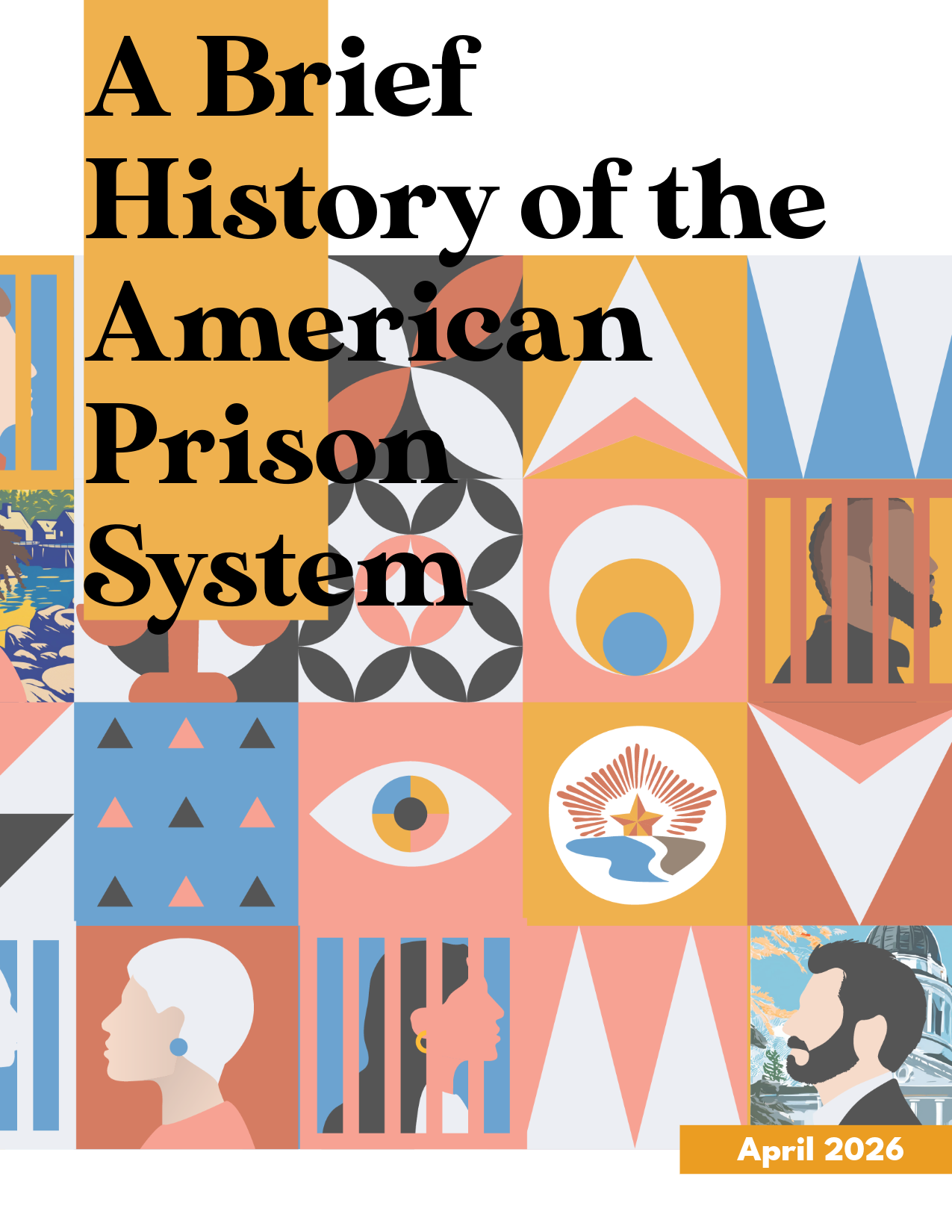
This month, we've published a new brief on the history of America's prison system: how it was built, who it was built to control, and how it has been used by some to gain profit and power. We hope it's useful for anyone trying to understand not just what the system looks like now, but why.
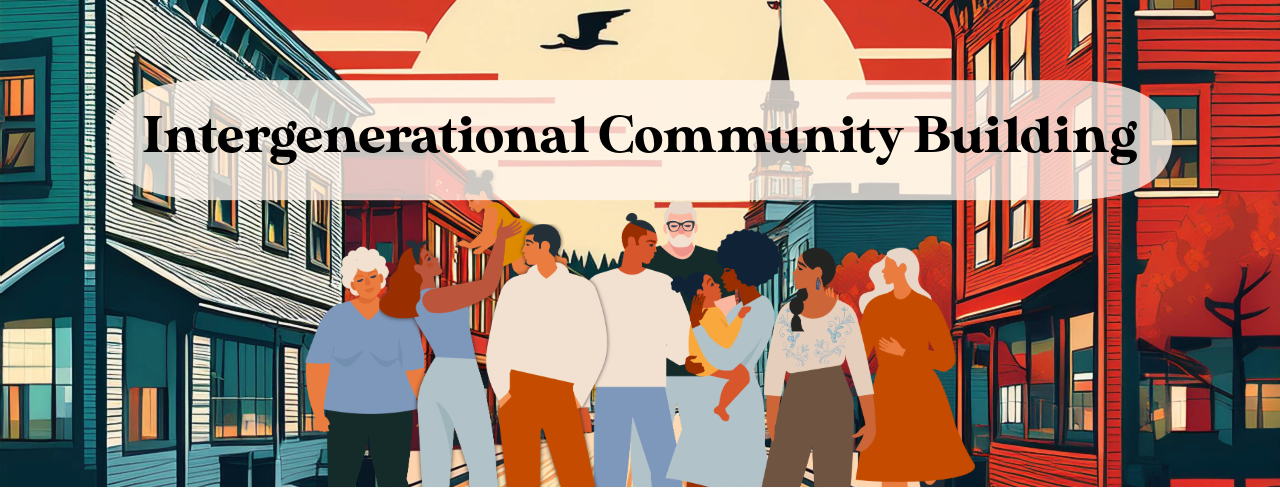
We're also proud to announce the first cohort of our Intergenerational Community Building Grant. Six organizations are now funded to bring elders and young people together, to preserve skills and language, share recipes, and hold the histories that communities have always been the best keepers of.
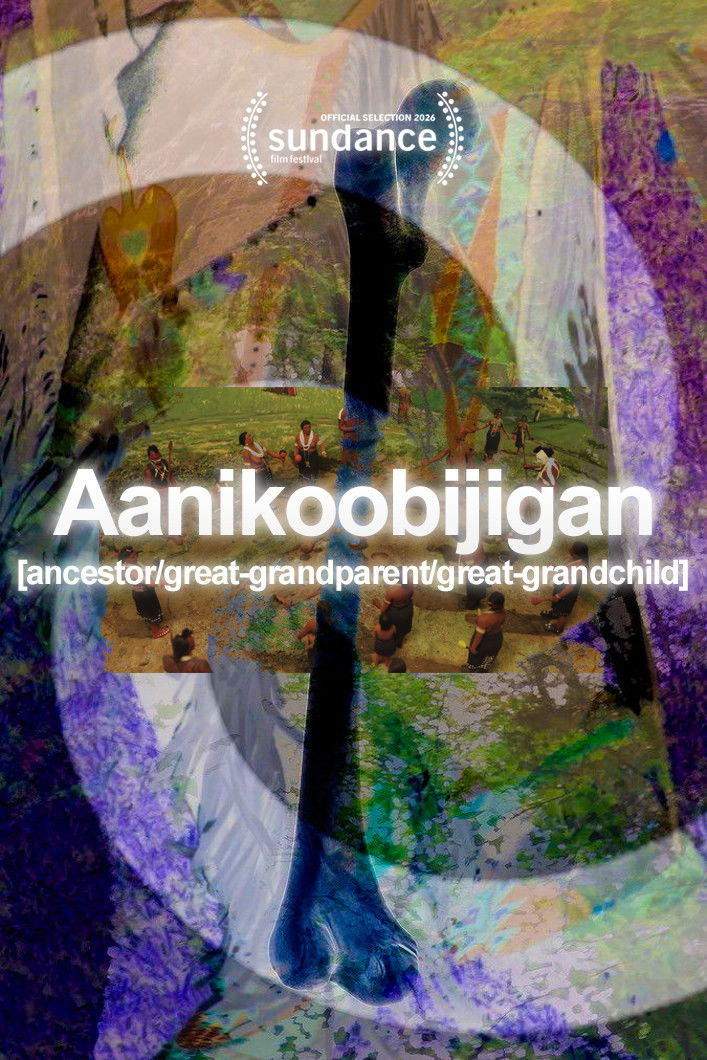
And we are sharing upcoming events to mark on your calendar, including a screening of Aanikoobijigan, a Sundance award-winner about Indigenous repatriation, and a new literary gathering centered this year on Black history and storytelling.
In Solidarity, The Permanent Commission
History of the American Prison System
America's prison system didn't happen by accident. It was built by policy decisions, private profit, and a long history of using incarceration as a tool of racial control. Our new brief traces that history from the earliest days of the United States as a nation through today, following the reasons that have driven the system's growth at every stage.
The Permanent Commission is thrilled to announce the first cohort of our Intergenerational Community Building Grant! Twenty-seven organizations applied, and six are now funded to bring elders and young people together across culture, language, and story. Congratulations to:
Nibezun: Bringing Wabanaki Elders, adults, and youth together to share traditional experiences and languages.
Niweskok: Engaging Wabanaki youth, elders, and community members in harvesting materials and building a traditional birch bark canoe.
Somali Bantu Community Association: Connecting Kashekee youth and Somali Bantu elders through cultural identity, wellness, traditional arts, and community gatherings.
Passamaquoddy Indian Township: Collaborating with First Light to bring youth and elders back to Kuwesuwi Monihq (Pine Island) through canoe and boat trips, overnight retreats, and education about the island's history and significance.
Office of Economic Opportunity: Pairing older adults from Maine Council on Aging's BIPOC Elder Group with Portland High School youth for recorded intergenerational conversations about the civil rights movement and current events.
Food for All Services: Connecting immigrant elders and youth through storytelling, music, language practice, and cultural exchange.
Upcoming Events
Aanikoobijigan Screening
May 13 · 6:00 PM Olin Arts Center Room 104, 75 Russell St., Lewiston Hosted by Bates Film Festival
Aanikoobijigan [ancestor/great-grandparent/great-grandchild] (2026 Sundance World Premiere, NEXT Audience Award) Trapped in museum archives, Ancestors bend time and space to find their way home. History, spirituality, and the law collide as tribal repatriation specialists fight to return and rebury Indigenous human remains, offering a revealing look at the still-pervasive worldviews that justified collecting them in the first place.
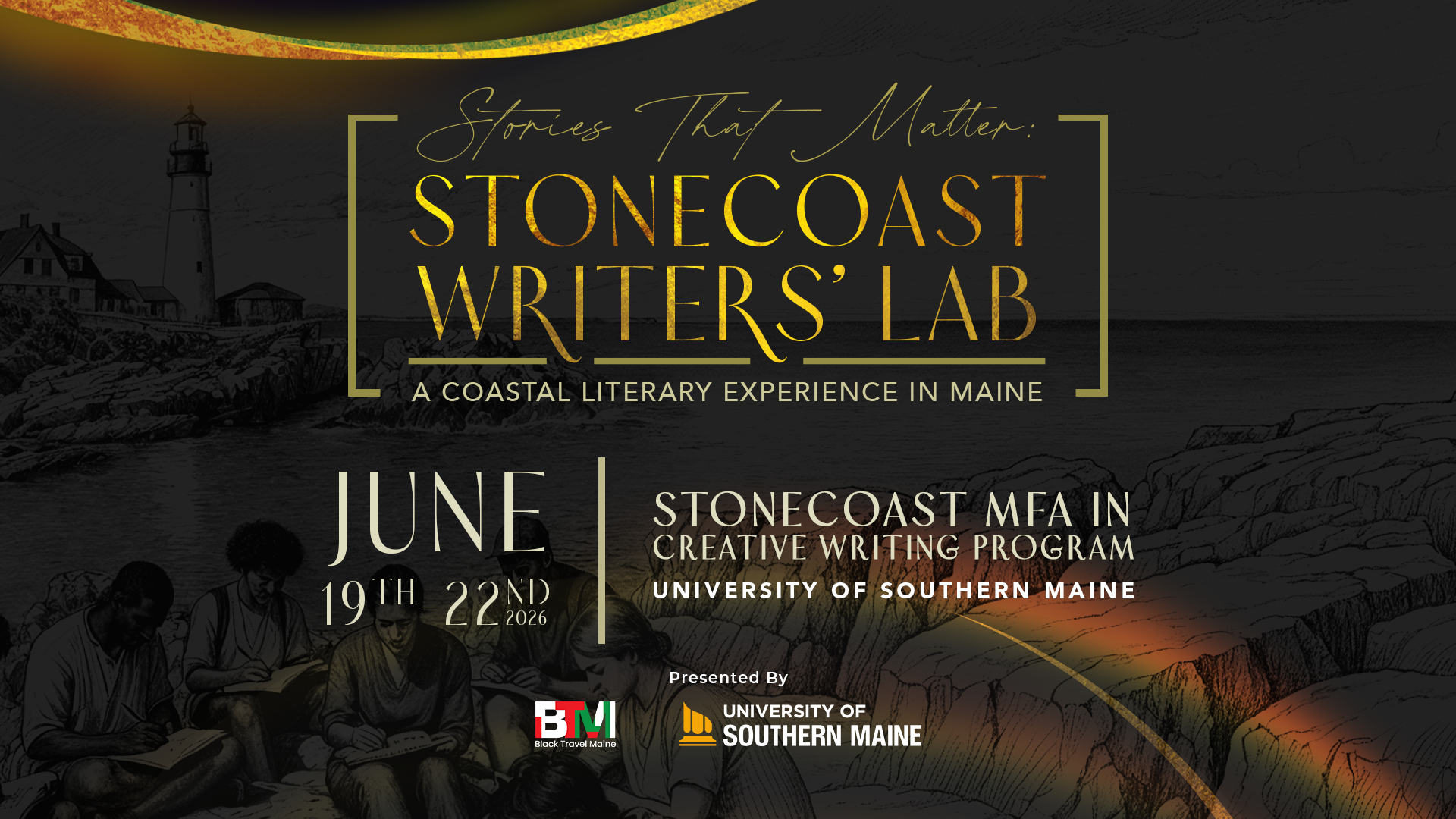
June 19–22, 2026 Portland, Maine Hosted by University of Southern Maine, Bookclubs.com, and Black Travel Maine
A literary conference and retreat bringing together regional and national voices. This year's theme centers Black history and storytelling, with themes evolving annually.
This post contains our January 2026 community update, originally shared by email. It includes resources for reporting immigration enforcement activity, understanding rights, and accessing support in response to a recent enforcement surge in Maine. We are sharing it here to ensure continued access to this information.
The Permanent Commission on the Status of Racial, Indigenous, and Tribal Populations is an independent government body tasked with identifying and addressing systemic inequalities impacting racial, Indigenous, and tribal populations in Maine. We are seeking a Community Engagement Intern to support a relationship mapping project. Learn more by checking out the full job description.
Community Engagement Internship
Pay: $23 -$25/hour based on experience and qualifications.
Hours: 20-40 hours per week (flexible hours to be set with the selected candidate)
Timeframe: Temporary Position, 3-6 months (to be determined with the selected candidate)
Application deadline: January 11, 2026
Anticipated start date: February 17, 2026
Location: Remote within Maine, with the option for occasion in-person collaboration.
The Community Engagement Intern will support a project to map and assess the strength of our current community and organizational relationships across racial, Indigenous, and tribal communities in Maine. This includes working under the direction and guidance of the Community Engagement Specialist to:
With the Executive Director and Community Engagement Specialist, develop project scope, goals, and intended outcomes.
Research methodology options and develop a proposed process and project plan to meet the goals and outcomes.
Review existing materials, such as pre-existing spreadsheets and documents that include relevant information.
Develop a working spreadsheet that brings together our current understanding of relevant community-based organizations in Maine, supplementing information with online research.
Collaborate with staff to conduct a preliminary assessment of the strength of our relationships and networks.
The full extent of this project will evolve under the guidance and direction of the Community Engagement Specialist and Executive Director.
Interested persons should submit a cover letter, resume, and the contact information for two references to Billale Fulli, Community Engagement Specialist, at billale.fulli@maine.gov.
Please Note
This position will be engaged through a temporary staffing agency and therefore does not include benefits. A background check may be required by the staffing agency. The position is largely remote, with the option of joining the team in person one day a week at our office in Gardiner, Maine. The selected candidate will need their own access to a computer and the internet (though please let us know if this is a barrier).
Applications Closed - Research Associate
Date:
The Permanent Commission on the Status of Racial, Indigenous, and Tribal Populations is an independent government body tasked with identifying and addressing systemic inequalities impacting racial, Indigenous, and tribal populations in Maine. We are currently seeking a research associate to support our growing team. Learn more by checking out the full job description.
Research Associate
Pay: $25-$30/hour based on experience and qualifications
Hours: 40 hours per week
Timeframe: 12 months with the possibility of renewal
Application deadline: January 11, 2026
Anticipated start date: February 17, 2026
Location: Remote within Maine, with optional weekly meeting in Gardiner
The Research Associate will support ongoing research projects at the Permanent Commission that aim to reduce racial disparities in the state and create positive outcomes for historically marginalized racial, Indigenous, and tribal communities. We work in a wide range of topical areas, with anticipated work in the coming year focusing on data ethics, incarceration, housing, food access, and other areas that may become relevant over the course of the year. The person in this position will be responsible for:
● Analyzing public testimony and other sources of qualitative data.
● Assisting with the development of surveys, interview questions, and IRB protocols.
● Conducting literature reviews and compiling reliable resources.
● Drafting evidenced briefing notes and summaries on topical issues.
● Track and organize research materials, datasets, and other resources.
● Supporting data analysis and data visualization.
● Drafting reports and providing support throughout the publication process.
Interested persons should submit a cover letter, resume, short writing sample, and the contact information for two references to Leeann Sullivan, Research Specialist, at leeann.sullivan@maine.gov.
Please Note
This position will be engaged through a temporary staffing agency and therefore does not include health or leave benefits. A background check may be required by the staffing agency. This position is largely remote, with the option of joining the team in person one day a week (Tuesday) at our office in Gardiner, Maine. The selected candidate must reside in Maine.
Intergenerational Community Building Grant
Date:
We are launching a new grant program to support Maine-based organizations in developing and carrying out intergenerational community-building projects that bring people of different ages together to learn, connect, and care for one another.
Part of the Permanent Commission’s mission is to support and create programs that expand opportunity and strengthen belonging for under-resourced racial, Indigenous, and tribal communities across Maine.
Selected partners will receive up to $8,000 through a low-cost service contract with the Permanent Commission to implement their project. Awardees will also have opportunities to connect and learn alongside other funded organizations.
Funded projects should advance one or more of the following goals:
Strengthen Social Bonds
Support meaningful, reciprocal relationships between generations through shared experiences and cooperative activities.
Enhance Community Wellbeing
Reduce social isolation—particularly among older adults and youth—by creating inclusive, supportive intergenerational spaces.
Preserve and Share Knowledge
Support communities in preserving, practicing, and sharing cultural, historical, and practical knowledge across generations.
Build Sustainable Community Models
Support the development of intergenerational programs that can be sustained, adapted, or replicated as long-term community assets.
To qualify, applicants must be one of the following:
A 501(c)(3) nonprofit organization located in Maine
A Wabanaki Tribal Government
A town or county government in Maine
A Maine school system
Collaboration Encouraged
We encourage and welcome collaborative applications. Organizations that have received a Permanent Commission grant within the last six months are required to partner with an entity that has not previously received funding or collaborated with us. This helps expand access and broaden community impact.
Application Deadline
Applications must be submitted by 11:59 PM on Friday, January 30, 2026.
The Public Narrative Change Grant will fund public events that change the way we talk about race, history, and justice. The goal is to tell the truth about how we got here, push back on harmful misconceptions, and bring people together around true stories that reflect our values: honesty, freedom, justice, and community.
You can apply for up to $10,000 to plan and run a public event or series of events that help shift public understanding in a positive direction. This includes telling stories that are often left out, lifting up community voices, and helping people understand that we can build a better future if we join together across race and place.
Narrative change means using stories, images, and events to change how people understand a topic. It’s about challenging harmful myths and stereotypes, telling the truth about our history, and showing that a better future is possible.
This work helps people see that the systems around us—who has power, who gets resources, and whose stories get told—didn’t happen by accident. They were created by people, and they can be changed by people too.
Grants will support eligible organizations through one-time funding to develop and implement narrative change events designed to accomplish one or more of the following goals:
Goal
Example Project
Push back on harmful stereotypes and misconceptions about people of color, immigrants, tribal citizens, or other groups who have been treated unfairly—and that injustice ultimately harms everyone in Maine.
The Unveiling Hidden Histories Educational Series will confront the myth of Maine as a “white state” by spotlighting the long-standing presence and contributions of Wabanaki and African American communities. Through public events that center firsthand storytelling and local history, the series will replace false narratives with truth, dignity, and humanity.
Show how communities are working together across race and place to solve problems, celebrate culture, and take care of each other.
The events will be developed in partnership with Indigenous leaders, Black historians, and local organizations. Speakers and panelists will reflect a range of lived experiences and cultural knowledge, modeling what it looks like to work together across communities to preserve truth, share resources, and build understanding.
Tell the truth about our history—including things like colonization, broken treaties, slavery, and unfair laws—and help people understand how that history still shapes life in Maine today.
Through keynote talks, panel discussions, and video interviews with descendants and historians, the series will examine the deep roots of colonization, slavery, and exclusion in Maine—and how those histories continue to impact communities today. By facing the hard truths together, we open the door to healing and change.
Help people imagine a better future—and show what it looks like when fairness, community, and responsibility are part of public life.
The events will emphasize that telling the truth about the past is not about shame—it’s about building a future where all people in Maine are seen, valued, and included. Participants will be invited to envision a state where no one is left out, and where cultural truth and public memory belong to all of us.
We encourage applicants to embrace creativity and inclusivity, ensuring that all individuals, especially those facing additional barriers, are actively engaged in the development and implementation of their initiatives. Together, we will deepen relationships, invest in communities, support innovation, and ultimately build thriving, healthy, and resilient communities, where nobody – no matter our race, faith, zip code, or ancestors – gets left behind.
If your organization has an idea for a public event or series that meets these goals, please submit your application to us for consideration!
Who is eligible to apply?
In order to qualify, organizations must be:
Based in and legally authorized to operate in Maine, and
Currently involved in work to shift narratives, challenge stereotypes, or uplift honest history and community stories.
Organizations with multiple affiliated locations across the state should submit a single application. If you have any questions regarding your eligibility, please reach out to the Permanent Commission at the contact below.
How much funding is available?
The Permanent Commission is offering one-time awards with a maximum amount of $10,000.
Selected partners will enter into a Low Cost Service Contract (LCSC) to begin project implementation. Contracts will provide for partners to submit two invoices during the course of the contract for work that has been completed and expenses incurred.
Please note: Payment can not be made in advance. Contracts will provide for partners to submit two invoices over the course of the contract for work that has been completed and expenses incurred.
What types of expenses are allowable/ unallowable?
Examples of allowable expenses include (but are not limited to):
Physical space rental,
Light refreshments, non-alcoholic beverages, and other accommodation costs associated with the proposed project,
Staff time, consultant time, and material costs for any activities directly related to the project, including community outreach, identified needs to address participant barriers (such as childcare or transportation), educational activities, data collection, and expenses related to developing communications materials, such as printing, design, videography, photography, and ad placement.
Staff time associated with attending project meetings with the Permanent Commission and developing/delivering a final report to the Permanent Commission describing the project activities, fund uses, and any other agreed upon reporting content.
Up to 10% maximum of indirect costs.
Examples of unallowable expenses include (but are not limited to):
Lobbying,
Goods and services for personal use,
Goods, services, or staff time for work outside of the approved project, or
Fines, penalties, damages and other settlements.
Project budgets must be submitted as part of the application process and any amendments agreed in advance with the Permanent Commission.
What does a strong application look like?
Please see below an example of a completed application, which you may use as a reference when completing your own unique application.
This application example is designed to provide information on the level of detail the Permanent Commission expects from applicants. Please do not consider this example as a template to be copied or any indication of departmental preference for certain types of project proposals. We encourage you to share project ideas that best suit the needs of your organization and community.
If selected, what requirements are there?
Selected partners will be required to:
Have or obtain a State of Maine vendor number. Permanent Commission staff will provide necessary support to obtain this.
Enter into a low-cost service contract with the Permanent Commission.
Submit two invoices for work undertaken in accordance with the approved budget and work plan. Note: expenditures should occur before the end of June 2026.
Submit a written final report within 30 days of the funded event that describes the project activities, how the funds were used, and includes any other reporting content agreed with the Permanent Commission based on the specific project. (note: we will provide a template which will also include the opportunity to provide feedback to us).
Include the Permanent Commission’s logo on any promotional materials as a project sponsor and make space for Permanent Commission tabling at an event (if relevant and appropriate for the type of event).
What is the grant timeline?
Application Deadline
September 15
EXTENDED: September 19
Application Review
September 15 - October 1
Send Decision Notifications and Approve Contracts
October 1 - October 25
Contract Start
(Earliest date to hold events)
November 15
Contract Close
June 30, 2026
When is the application deadline?
The Permanent Commission is accepting applications through 11:59 p.m. on September 19, 2025.
Who can I reach out to with more questions?
You can contact Morgan Urquhart, Communications Coordinator at morgan.e.urquhart@maine.gov with any additional questions.
Community-led Projects to End Hunger in Maine
Date:
The Permanent Commission is thrilled to announce the recipients of this year’s Narrative Change for Food Security Mini-Award!
In partnership with the Governor’s Office of Policy Innovation & the Future’s Ending Hunger in Maine initiative, this program supports Community-Based Organizations in flipping the script on hunger and writing a brighter food future for Maine communities.
Congratulations to this year’s five awardees — and thank you to everyone who applied! Here are some of the exciting projects they’re working on:
Cumberland County Public Health Department
Creating a map of retail outlets in Cumberland County that accept SNAP and WIC dollars, helping people shop according to their nutrition priorities.
Healthy Acadia
Expanding access to healthy, culturally appropriate produce at Folklore Farm through a farm share credit program for Latine and other migrant/immigrant families.
Maine Food Convergence Project
Producing a food sovereignty zine that lifts up community stories addressing the root causes of hunger — and highlights pathways toward food sovereignty.
IFKA Community Services
Creating a multicultural video amplifying personal stories of resilience and community-driven solutions to food assistance in Lewiston, and hosting a community meal to foster connection and belonging.
Northeast Federation of Cooperatives
Highlighting the Maine rancher cooperative through storytelling about Black ranchers and farmers in Maine, using social media and newsletters to spotlight the role of Maine cooperative economics in advancing food access.
We can't wait to see the impact of these powerful projects — and continuing to support community-driven solutions to hunger and food injustice in Maine.
Questions about this position should be directed to Ariel Ricci at ariel.ricci@maine.gov
Join Our Team!
The Permanent Commission is looking for a Policy Coordinator to help make sure Maine’s commitment to racial justice translates into action.
This role works with agencies and across policy areas to track progress, support follow-through, and keep the focus on what communities have said they need. Follow the links on this page to apply through the Maine Bureau of Human Resources. Read more about the position below.
Position Details
Department of Permanent Commission on the Status of Racial, Indigenous, and Tribal Populations
The Permanent Commission on the Status of Racial, Indigenous, and Tribal Populations (the Permanent Commission) is an independent commission within the State of Maine tasked with identifying and promoting programs that create and improve opportunities for historically disadvantaged racial, Indigenous, and tribal populations in Maine. A key component of this work includes our statutory ability to advise and consult all three branches of Maine’s state government.
The Policy Coordinator will lead the Permanent Commission’s work to advance state-level policies that contribute to reducing racial disparities across the state. This role involves policy research, legislative tracking, preparing and delivering testimony on behalf of the Permanent Commission’s Policy Committee, and collaborating with other government agencies on activities and programs that reduce racial disparities. Reporting to the Executive Director, the position also works closely with the Research Specialist and Community Engagement Specialist, mutually informing each other’s work.
Responsibilities
Lead the Permanent Commission’s efforts to advise and consult all three branches of government on legislation, policies, and programs impacting racial, Indigenous, and tribal populations.
Conduct research and analysis on proposed legislation, budget proposals, and administrative actions to assess potential impacts on racial disparities.
Prepare and deliver clear, concise, and accessible policy materials, including briefing papers, public testimony, and fact sheets that are grounded in reliable non-partisan sources.
Staff the Policy Committee, including preparing agendas, briefings, and recommendations on policy issues, including proactively identifying strategic options and recommendations to advance the Committee’s priorities.
Monitor state legislative sessions to identify bills or administrative actions that may impact racial disparities or the Permanent Commission as an agency; provide timely updates and strategic recommendations to the Executive Director and Policy Committee.
Represent the Permanent Commission in meetings with legislators, government agencies, policy implementers, and other strategic partners.
Build and maintain strategic relationships with legislators, state agencies, and policy-focused organizations.
Track and analyze emerging policy issues at the state and national levels that may impact communities in Maine; serve as the primary point of contact for policy-related inquiries within the organization.
Work environment
The Permanent Commission strives for a culture of support, inclusion, accountability, and empowerment, where you can experience belonging, be inspired, learn, and grow your skills. In concrete terms, this means:
We actively provide opportunities for professional development; We work together to set clear expectations, provide and receive honest feedback; We collaborate on projects, supporting and celebrating each other’s success; We know that communities who have survived and thrived in spite of systemic oppression are essential to our work. Lived experience is key. As our former Commissioner Dee Clark said, “Nothing about us without us.” We know that we have more room to grow, and look forward to your creativity and enthusiasm.
How to Apply
Interested applicants need to apply online by selecting the "Apply for this opening" button along with uploading a cover letter, current resume, and copies of any transcripts or certifications you wish to have considered while evaluating your application. In order for us to properly determine if you meet the minimum qualifications for any posting, you must be sure your resume includes month and year for any experience listed along with the duties and responsibilities associated with each particular time period. Any experience that was not full-time employment should be identified as such.
If you require a paper application, please download and print one here https://www.maine.gov/bhr/state-jobs/application-process or contact our office at 207-623-6700. Paper applications for this posting should be submitted along with cover letter and resume before the closing date to Security & Employment Service Center, 45 Commerce Drive, Augusta, ME 04330 or faxed to 207-287-2018. Be sure title of the job you are applying for is included. Applications cannot be accepted after the posting closing date.
Benefits of working for the State of Maine
No matter where you work across Maine state government, you find employees who embody our state motto—"Dirigo" or "I lead"—as they provide essential services to Mainers every day. We believe in supporting our workforce's health and wellbeing with a valuable total compensation package, including:
Work-Life Fit – Rest is essential. Take time for yourself using 13 paid holidays, 12 days of sick leave, and 3+ weeks of vacation leave annually. Vacation leave accrual increases with years of service, and overtime-exempt employees receive personal leave. Health Insurance Coverage – The State of Maine pays 85%-95% of employee-only premiums ($11,196.96 - $12,514.32 annual value), depending on salary. Use this chart to find the premium costs for you and your family, including the percentage of dependent coverage paid by the State. Dental Insurance – The State of Maine pays 100% of employee-only dental premiums ($387.92 annual value). Retirement Plan – The State contributes the equivalent of 13.29% of the employee's pay towards the Maine Public Employees Retirement System (MainePERS) for MSEA, or 18.09% for Confidential employees.
Note: Benefits may vary somewhat according to specific collective bargaining agreements and are prorated for anything less than full-time.
There's a job and then there's purposeful, transformative work. Our aim is to create a workplace where you can learn, grow, and continuously refine your skills. Applicants demonstrate job requirements in differing ways, and we appreciate that many skills and backgrounds can make people successful in this role.
As an Equal Opportunity employer, Maine State Government embraces a culture of respect and awareness. We are committed to creating a strong sense of belonging for all team members, and our process ensures an inclusive environment to applicants of all backgrounds including diverse race, color, sex, sexual orientation or gender identity, physical or mental disability, religion, age, ancestry, national origin, familial status or genetics.
If you’re looking for a great next step, and want to feel good about what you do, we’d love to hear from you. Please note reasonable accommodations are provided to qualified individuals with disabilities upon request.
Research shows that people from historically excluded communities tend to apply to jobs only when they check every box in the posting. If you’re currently reading this and hesitating to apply for that reason, we encourage you to go for it! Let us know how your lived experience and passion set you apart.